

Following CIIE 2026, review five practical checks before sourcing electrical terminals, cable lugs and connectors: application, product family, drawings, installation and documents.
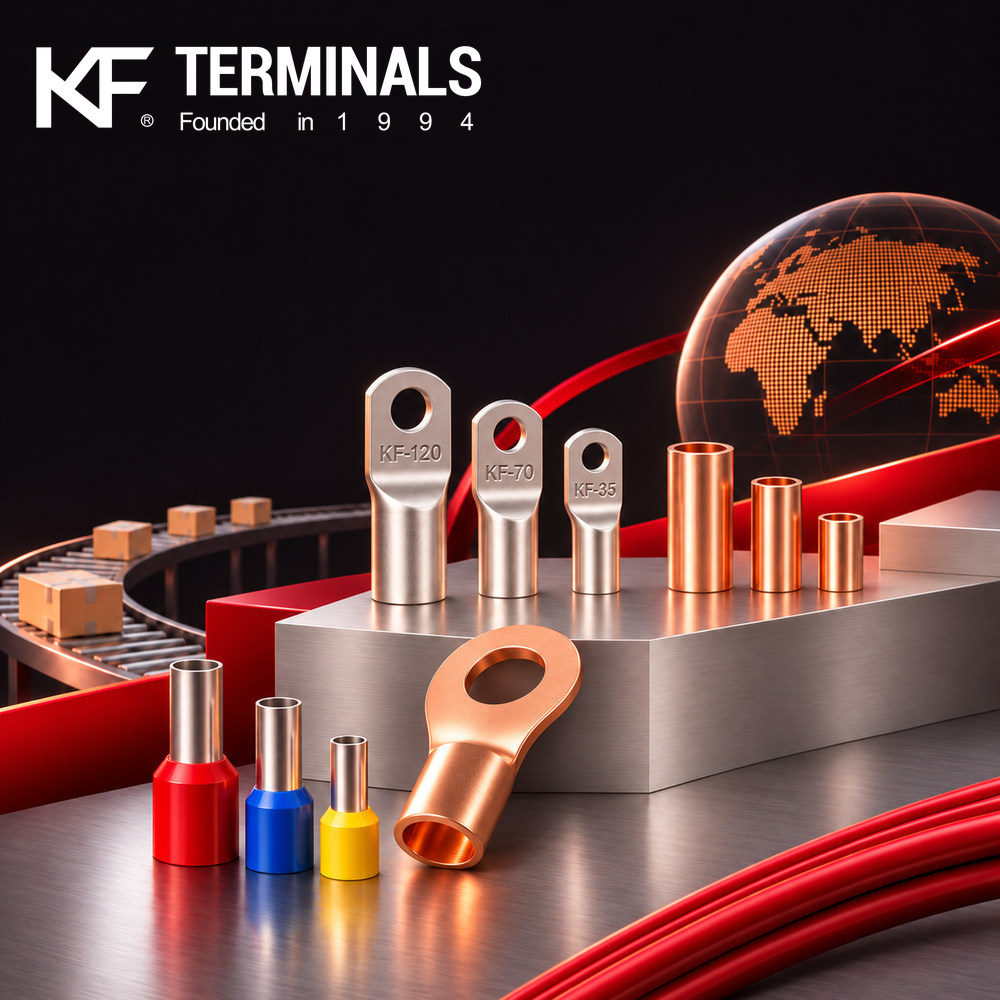
The ninth China International Import Expo (CIIE) took place from November 5 to 10, 2026, at the National Exhibition and Convention Center (Shanghai). In the period following the event, electrical-component buyers can use the moment to review their own sourcing specifications, documentation needs, and supplier communications.
Major international trade events offer a useful calendar prompt for reviewing supply-chain priorities. They do not, by themselves, verify the suitability of a particular terminal, cable lug, or connector. That decision still depends on the application, installation method, and evidence provided for the actual item under consideration.
For engineering and purchasing teams, a useful post-event question is therefore not simply which products look familiar. It is whether the available specifications allow technical comparison before a quotation request is sent. Clear requirements can reduce the chance of comparing items that serve different connection needs.
Trade-show headlines can prompt useful conversations, but a buying decision requires more specific information than a list of familiar product names. Buyers may be comparing multiple applications, several conductor sizes, or different installation practices. Treating every offer as equivalent too early can hide differences that matter during engineering review. A more reliable starting point is to document the connection task in plain language, then collect only the information needed to select and compare candidate products.
For distributors, that process can help structure conversations with downstream customers. For OEM and wire-harness purchasing teams, it can help engineering and sourcing colleagues review the same requirements. These are practical recommendations for a post-event planning cycle; they are not reported CIIE findings or claims that a particular supplier or product was evaluated at the exhibition.
Start with the connection itself. Describe what must connect to what, the installation setting, and whether the relevant assembly will be handled by an engineering team, a harness manufacturer, or an installer. Record the intended cable type and the conductor size in its source unit, including AWG or square millimetres where relevant. If the inquiry involves more than one wire, keep those cases separate instead of using one representative size for all. Note any drawing, wiring diagram, or photograph that clarifies the interface.
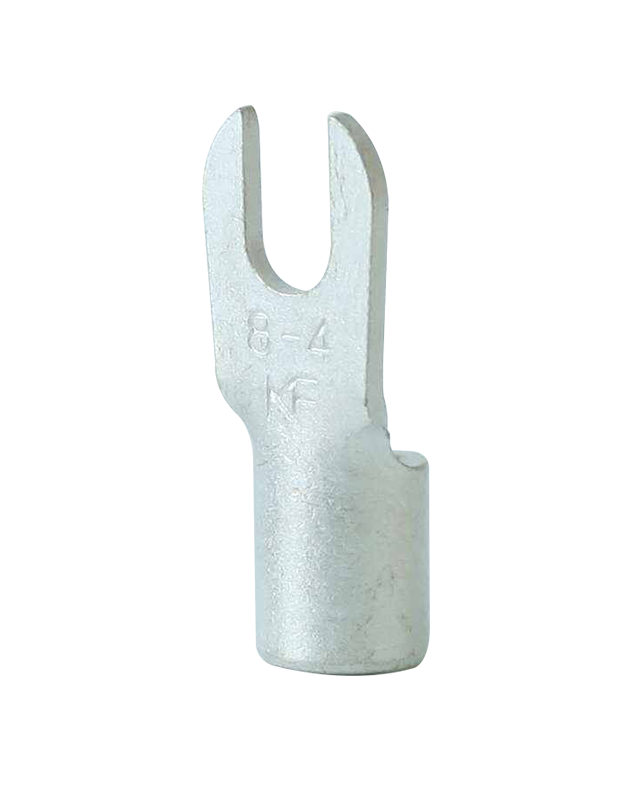
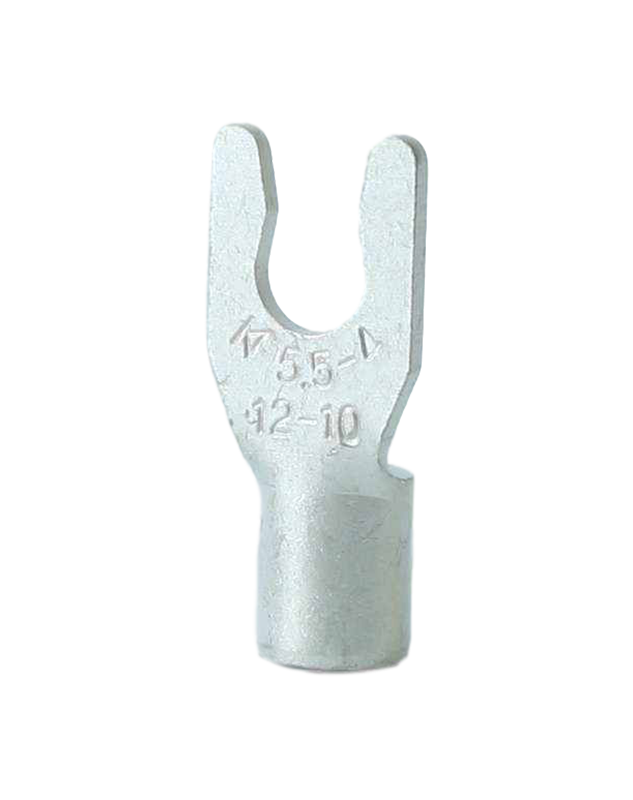
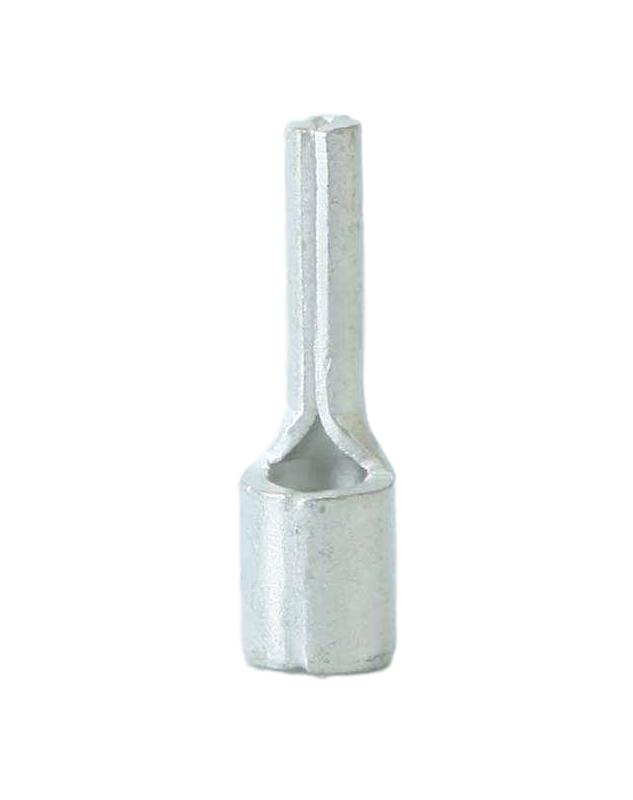
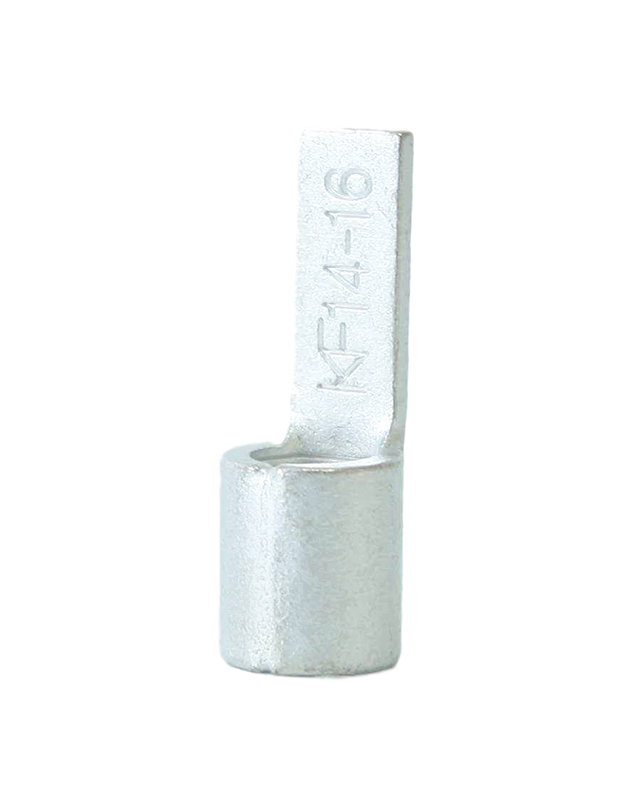
Do not use a product picture as the only specification. An image may show a general shape while leaving essential dimensions or installation conditions unclear. A concise application summary helps the supplier ask focused technical questions without assuming the proposed terminal has already been qualified.
Next, identify the function of the termination. A cord end terminal, an in-line butt splice, a quick disconnector, a non-insulated terminal, and a copper tubular lug belong to distinct catalogue families. They should not be presented as interchangeable merely because each is used in an electrical connection. If the buyer is uncertain about the family, list the connection requirement and ask for a category-level discussion rather than naming an unsupported exact model.
One useful purchasing practice is to divide enquiries by purpose: terminating a wire end, joining conductors, connecting to a stud or mounting point, or making a disconnectable connection. The resulting shortlist is a starting point for technical review, not a conclusion that a specific catalogue item fits the application.
After a family has been selected, request the details needed to distinguish similar-looking parts. Depending on the application, questions may concern conductor range, terminal opening, stud or tab interface, barrel length, overall geometry, packaging identification, or the measurement units shown in the drawing. Do not transfer a dimension from one series to another or treat a visual approximation as a verified drawing.
Buyers comparing quotations should preserve the product identifiers supplied by each vendor and distinguish a supplier's sales reference from a manufacturer model reference where both appear. If the drawings are incomplete or based on different unit systems, resolve that before deciding that two items are equivalent. The aim is a traceable comparison, not an unsupported cross-reference.
A terminal is considered within an assembly process, not in isolation. Ask which crimping or installation method is intended, whether a specific tool or die must be considered, and what checks the engineering team expects before production use. A generic statement such as 'suitable for crimping' is not enough to establish suitability for the intended cable, tool, or application.
Where the project has its own workmanship or inspection procedure, identify the relevant requirements in the enquiry. Tool compatibility and completed-connection performance must be established for the exact item and process. The purpose of this step is to highlight information that needs confirmation, not to assert any unverified KF test result or performance rating.
Finally, agree on the documentation required for the intended destination market, customer, or engineering review. This may include a current drawing, a product-specific declaration or certificate where applicable, supporting test information, or other evidence explicitly required by the buyer. The applicable requirement varies by product and project, so the buyer should state it instead of assuming that a general company statement covers every catalogue item.
Check that each document refers to the correct product or model and that its scope, revision, and period of validity meet the buyer's needs. Do not infer a particular product's certification from a company profile, a category page, or the presence of an emblem on an unrelated document. Unconfirmed details should stay listed as questions until verified.
The public KF Terminals product catalogue lists Non-Insulated Terminals, Insulated Single Crimp Terminals, Cord End Terminals, Butt Splice Connectors, Quick Disconnectors, Copper Tubular Lugs, and Tools and Accessory. These are catalogue categories, not a claim that every possible specification or certification is available within each category.
A practical first shortlist might group candidate items by the connection task: wire-end preparation, cable termination, in-line joining, or quick-disconnect applications. Buyers can then use the relevant category pages and product details to prepare a more precise technical enquiry.
For non-insulated and insulated terminal families, the first questions usually concern the intended termination type, conductor details, dimensions, and how the part will be installed. For cord end terminals, the buyer can begin by clarifying the wire-end preparation and the installation method. These distinctions guide the enquiry; they do not prove the availability of a particular variant or material.
For butt splice connectors, buyers can describe the conductors to be joined and any assembly constraints. For quick disconnectors, the mating arrangement and interface dimensions should be specified rather than inferred from a picture. Copper tubular lugs call for a clear description of conductor and mounting requirements, followed by the appropriate drawing and product-specific review. Tools and accessories can be discussed alongside the selected connection process, but a catalogue category alone does not establish compatibility.
KF Terminals presents these families on its public Products page. A buyer may use that catalogue as a navigation aid and then contact KF Terminals to discuss the relevant category. If a requested variant is not shown, the correct response is to ask whether it exists and request evidence, rather than treating the absence or presence of a similar-looking image as confirmation.
Instead of sending a broad message asking for a price list, consider sharing a compact application brief. Include the preferred product family, conductor details, available drawings, intended installation method, estimated purchasing context where appropriate, and any documentation that must be reviewed. Make clear which details are mandatory and which are open to technical discussion.
This approach is a sourcing recommendation, not a statement about outcomes at CIIE. KF Terminals welcomes category-level enquiries through its public contact page; availability, specifications, commercial terms, and document support must be confirmed for each enquiry rather than assumed in advance.
A practical first message can be organised around a small set of fields. This is an illustrative buyer checklist rather than a promise about any supplier's quotation process:
A well-framed enquiry should leave room for technical clarification. It should not assume price, lead time, minimum order quantity, certification coverage, or sample availability before the supplier responds. Where a buyer is seeking several product families, a separate line for each application may make follow-up easier than a single ambiguous request.
Use the post-CIIE period to turn broad procurement conversations into a controlled checklist: shortlist the applicable component families, capture unresolved engineering questions, identify which documents require confirmation, and contact potential suppliers with the same structured brief. This makes subsequent comparisons more transparent and easier to review internally.
To explore the publicly listed KF Terminals categories, visit the Products page. For an application-specific discussion, use the official Contact page. The recommended next action is a technical enquiry—not an assumption that a product has already been qualified for a particular project.
One reasonable sequence is to record the known application, flag missing dimensions, identify the likely product families, and ask for the specific documents required to compare candidate items. Engineering can then review technical fit while procurement evaluates the supplier's response against the same written brief. Any open question should remain visible instead of being silently converted into an assumed specification.
The output of this review might be a short comparison table showing application, candidate family, drawing status, installation questions, documentation status, and next action. Such a table is useful because it distinguishes a confirmed fact from a request for clarification. It is not evidence that KF Terminals, or any other company, has already supplied, tested, or approved the proposed items.
No. Product suitability needs to be assessed against the intended application and item-specific evidence.
The public catalogue includes cord end terminals, butt splice connectors, quick disconnectors, copper tubular lugs, and other terminal families.
Share the connection application, conductor details, preferred product family, available drawings, installation questions, and documentation needs.
No. Buyers should ask which exact model and document scope are covered, then verify the evidence relevant to their project.
No. An image can help identify a product family, but dimensions, installation details, and model identification require their own supporting information.
Describe the intended connection and conductor details, list any known interface constraints, and ask a supplier for a category-level discussion before narrowing the shortlist.
KF Terminals Product Catalogue
You can tick the products you need and communicate with us in the message board.


Allen.Mo


Jackie.Li


Jasmine.Zhang


Roy.Liu